Mammal stem cells in space
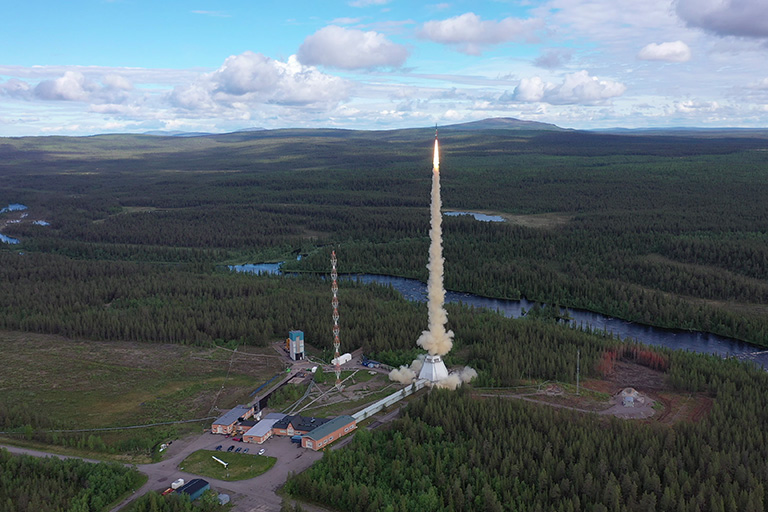
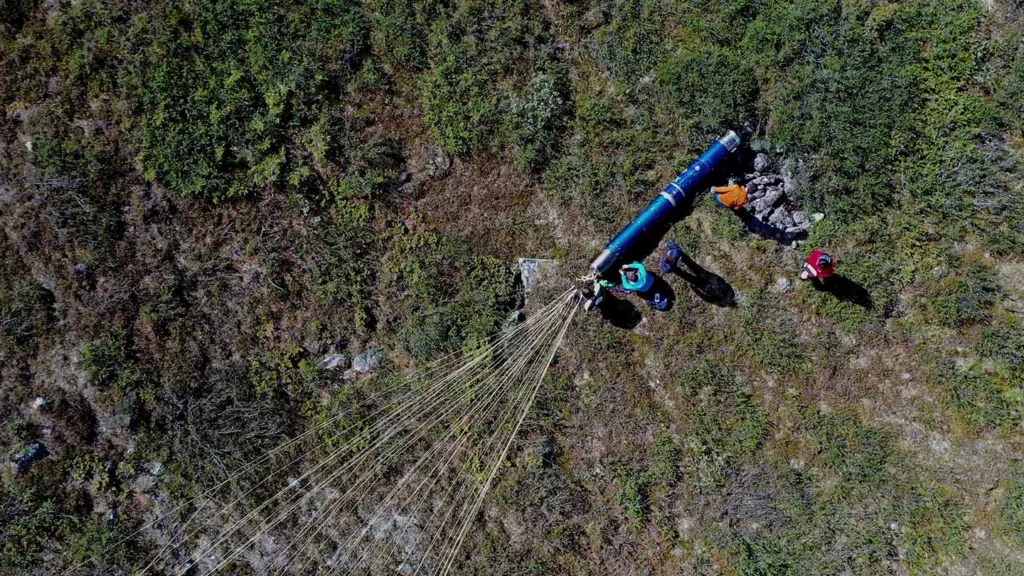
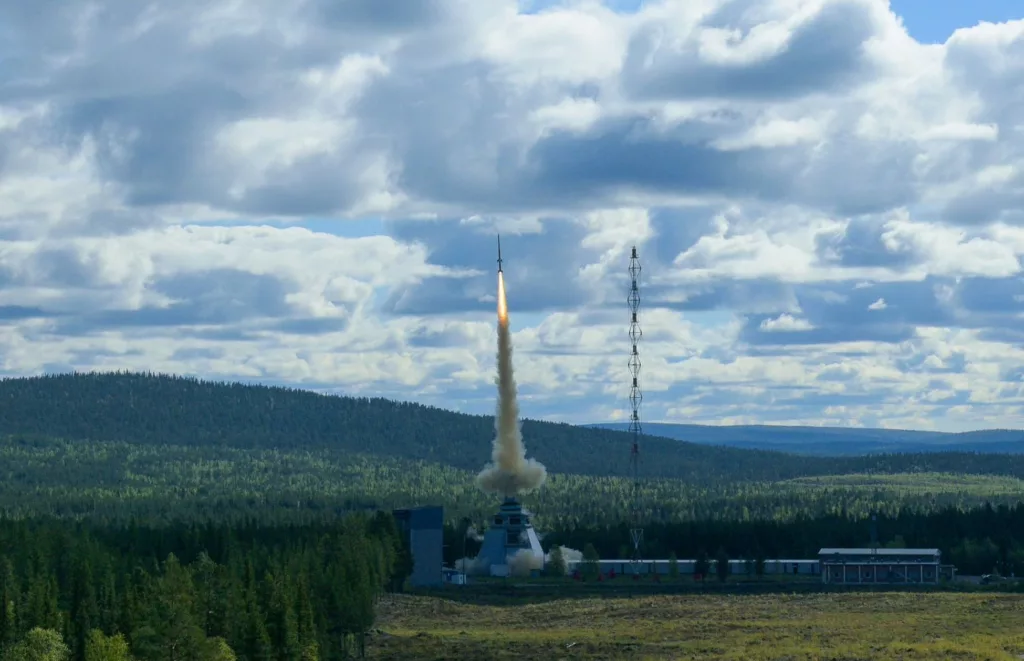
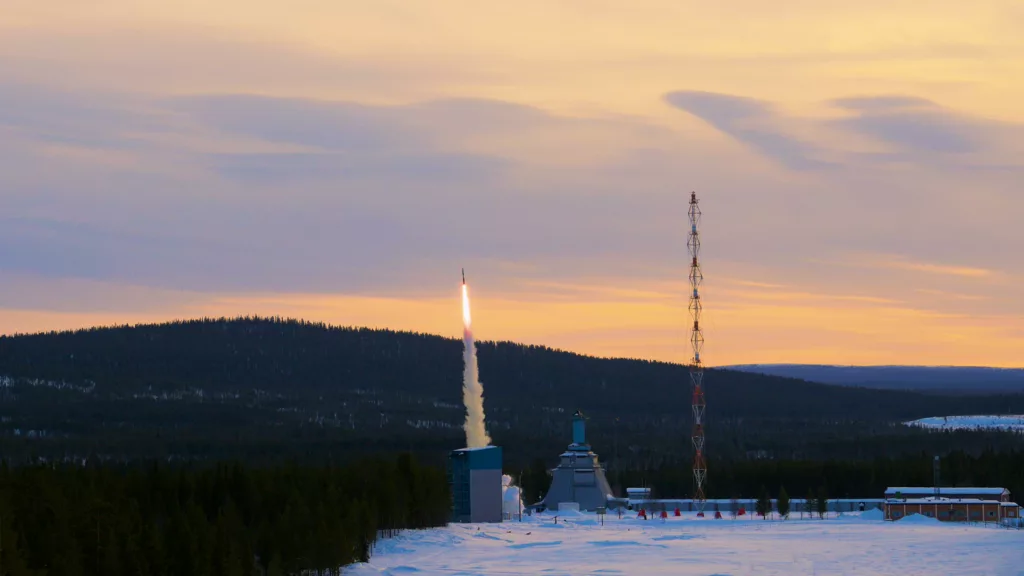
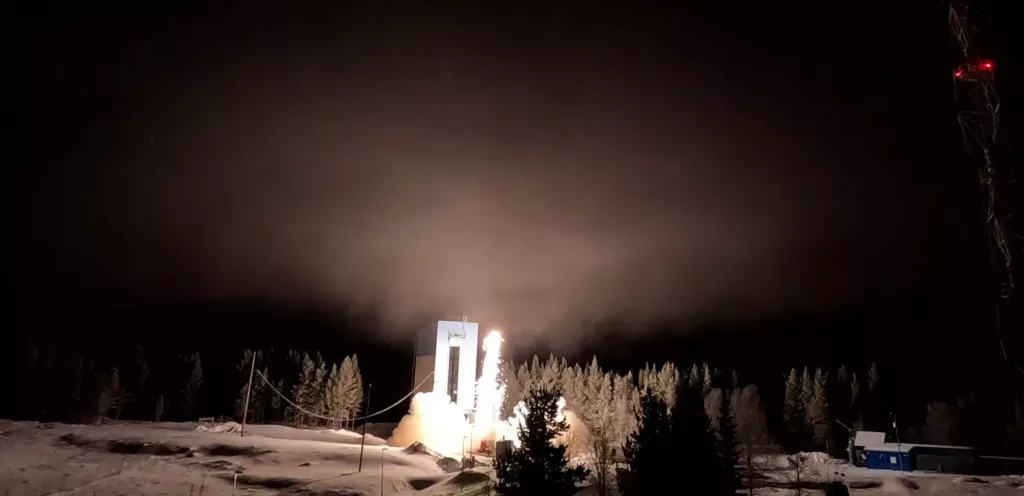
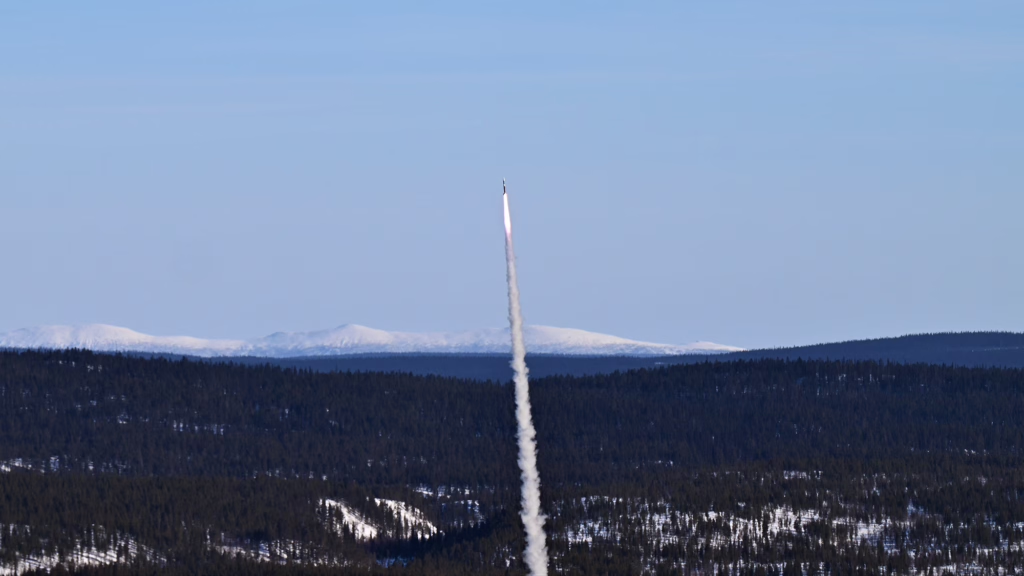
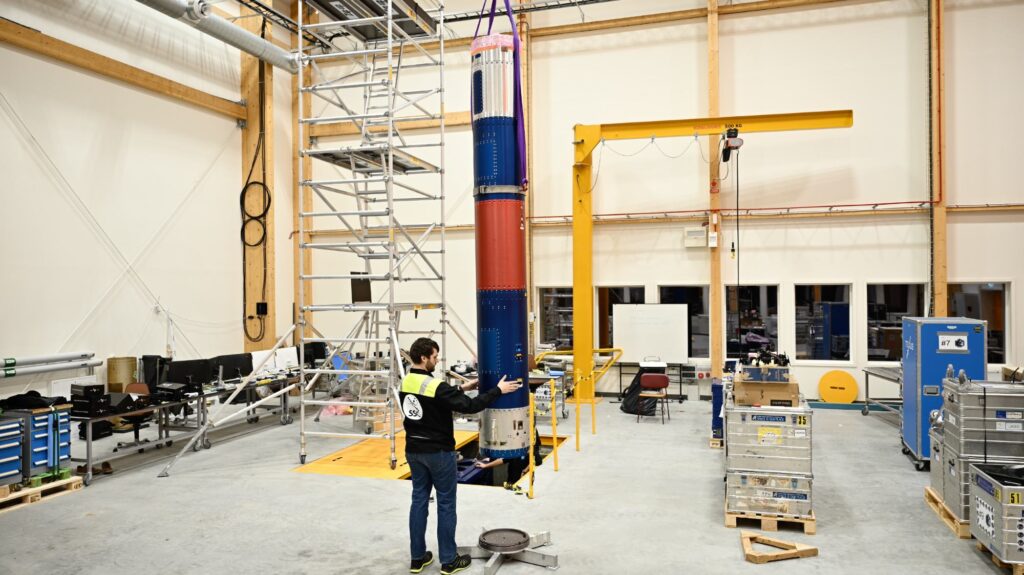
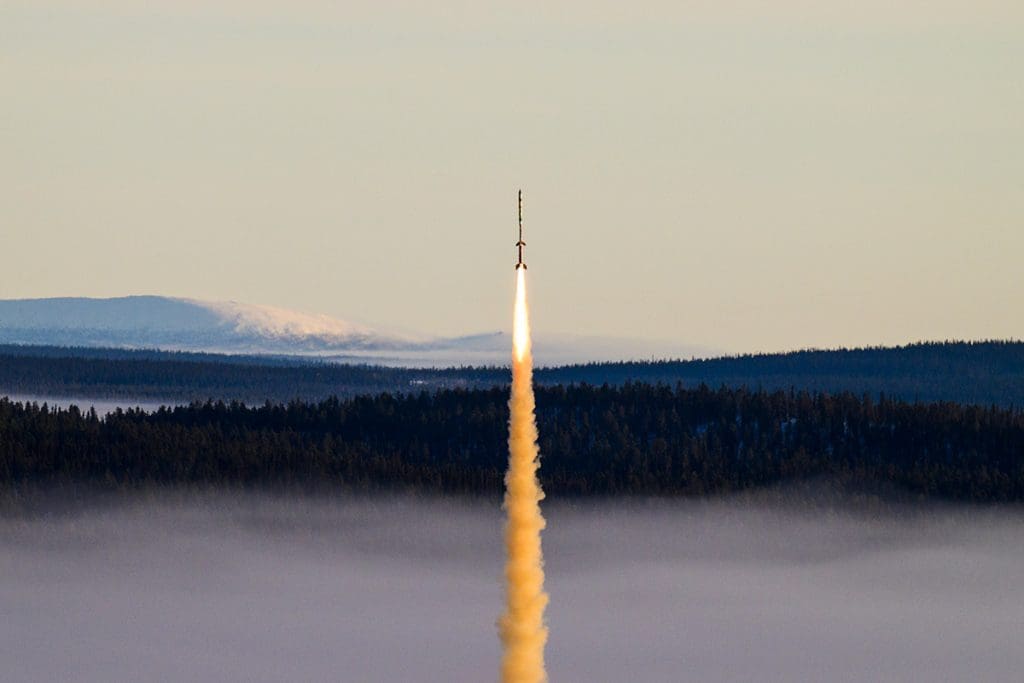
As a late add-on to the payload, an experiment, performed within the Uppsala University Biomedical Centre and containing a set of neural crest stem cells, took part of the flight. They were successfully retrieved and delivered to the science team after the flight of six minutes of microgravity conditions. The results will help to understand how space flight condition can affect known properties of neural stem cells and even induce novel features in such cells.
PI: Professor Elena Kozlova. Uppsala University Biomedical Centre, Department of Neuroscience, Laboratory of Regenerative Neurobiology.
The PI explains: “The aim is to translate basic stem cell research to clinical application. Neural crest stem cells, so-called boundary cap (bNCSC), generated in our laboratory, have the potential to differentiate to a variety of neural cell types. They also demonstrate robust survival in different conditions and unique capacity to support other cells. Thus, they induce proliferation of insulin-producing beta cells, protect beta cells and motor neurons from oxidative stress, and increase survival of ALS affected motor neurons.
These features make them attractive components for creating complex 3-D tissues and organs for regenerative medicine. bNCSCs were placed in Maser 14 alone or incorporated into supportive 3-D printed biomaterial, provided by CELLINK AB. In parallel bNCSC with the same conditions were tested in Lucerne University of Applied Sciences and Arts. The cells will be investigated with regard to their viability, proliferation, differentiation and functional properties.