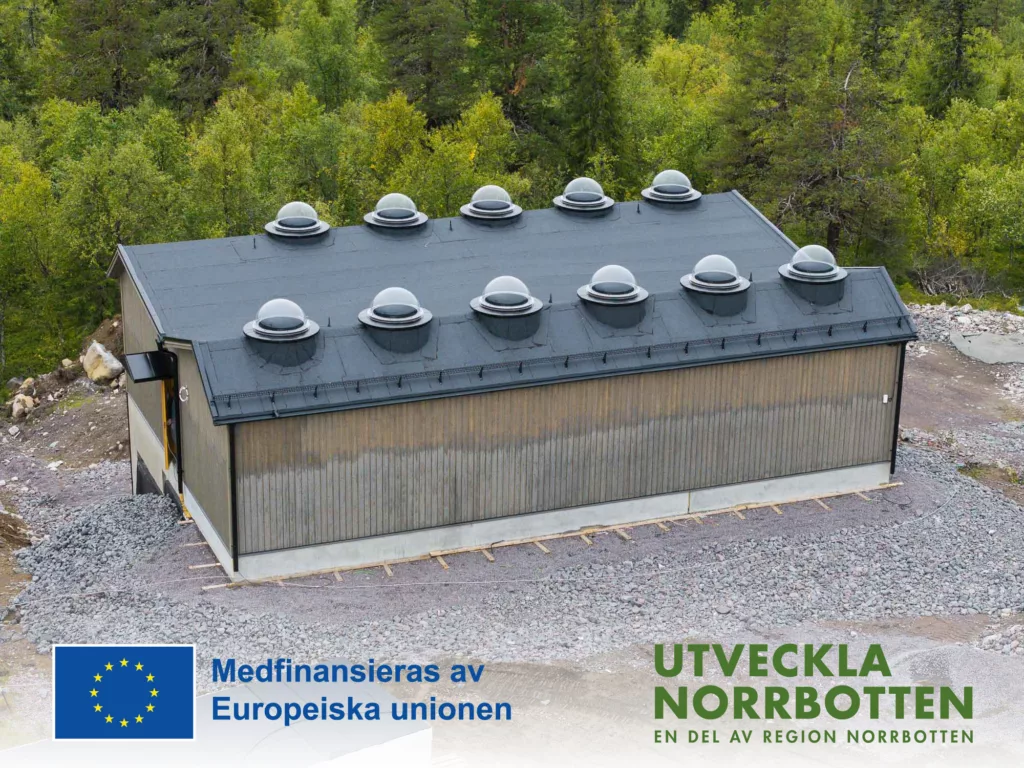
SSC Space inaugurates a new KEOPS Observatory at Esrange Space Center. The facility will offer researchers better conditions to achieve new astronomical discoveries and gain deeper insights into our Earth – making it an important addition for Arctic space research. Located in the auroral zone of northern Sweden, this place is ideal for studies of auroras, the upper atmosphere, ionospheric phenomena, and space weather.
“This facility is more than a building. It is a place where future research and discoveries begin,” says Pontus Hero, Project Leader of the KEOPS instrument house at SSC Space.
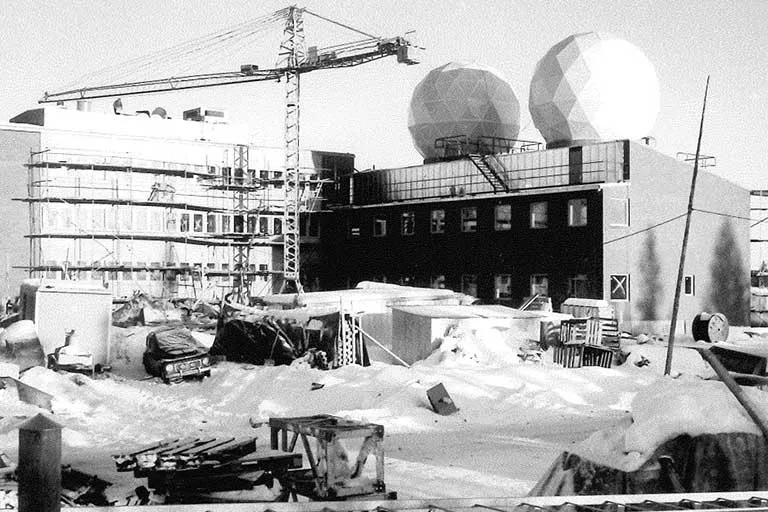
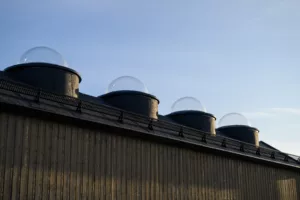
KEOPS (short for Kiruna Esrange Optical Platform Site) has served universities and research institutes from around the world since 1999. From previously housing the instruments in small individual huts spread across the platform, the new observatory will bring all of this equipment together in one modern building – with stable indoor environment, dedicated instrument rooms, domes for optical observations, shared technical spaces, power, networking, heating, a workshop, and improved operational support.
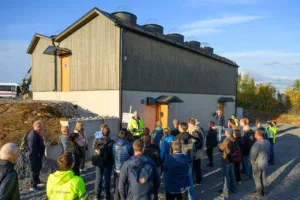
For the researchers working at Esrange, this means better working conditions and better protection for sensitive instruments from cold, wind, snow, and other weather-related stress. The facility will make it easier to install, maintain, and operate instruments for both long-term measurements and shorter research campaigns.
“SSC Space has been hosting ground based instrumentation since Esrange Space Center was founded 60 years ago. This is a fundamental asset for rocket and balloon operations as well as scientific research. After many years of using the tiny huts, we are happy to now offer better conditions and environment for scientific instruments and to the scientists. We hope this new observatory will build a community and enable the future development of Ground Based Instrumentation at Esrange. We are grateful for the support from Region Norrbotten, and the European Regional Development Fund through Tillväxtverket, who made this project possible,” says Armelle Frenea-Schmidt, Business Development Director at SSC Space.
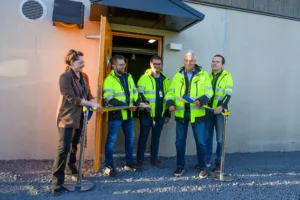
Infrastructure like this is important for space science and atmospheric research which depend on reliable long-term data. Measurements from northern Sweden help scientists understand how solar activity affects satellites, navigation systems, communications, and the polar atmosphere. They also support research linked to sounding rockets, stratospheric balloons, and satellite passes from Esrange.
The new building strengthens the research environment around Esrange, Kiruna, and Norrbotten. It gives the region a more attractive platform for international collaboration. It also supports the growing space region of Norrbotten and helps move space technology from a regional strength to a clearer area of specialization.
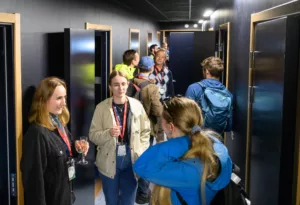
“For us at Region Norrbotten, it is important to invest in strengthening our position as a leading space region. It is both gratifying and inspiring to now see the results of our investment in the new KEOPS observatory. The building will reinforce the status of Norrbotten as an attractive region for space research, and create new opportunities for Norrbotten-based companies to develop within the space sector,” says Johannes Sundelin (S), Chair of the Regional Development Board, Region Norrbotten.
The project’s total investment is approximately 10 MSEK and it has been co-financed by the European Regional Development Fund through Tillväxtverket (4 MSEK) and Region Norrbotten (4 MSEK), together with SSC Space (2 MSEK). The investment supports a more sustainable and efficient research infrastructure. It also enables new partnerships and new research in space weather, auroras, atmospheric science, and climate-related studies in the polar region.