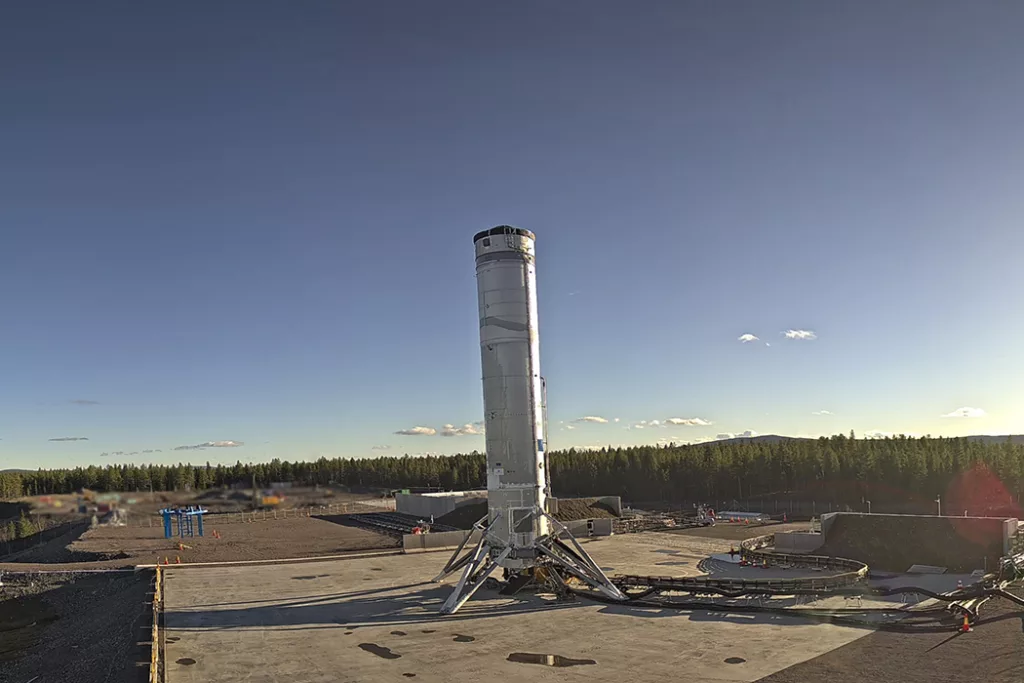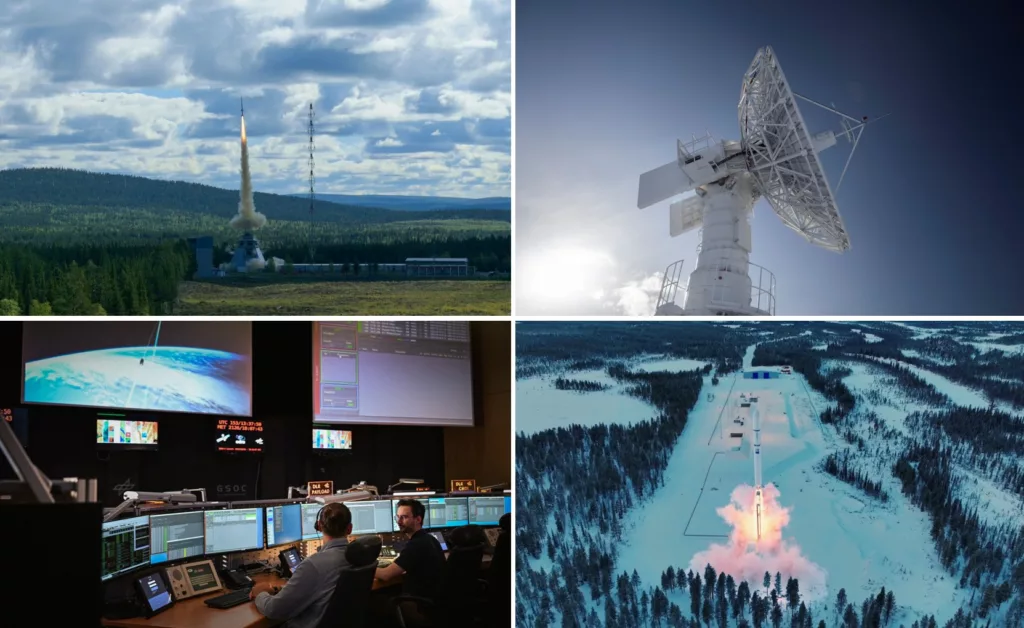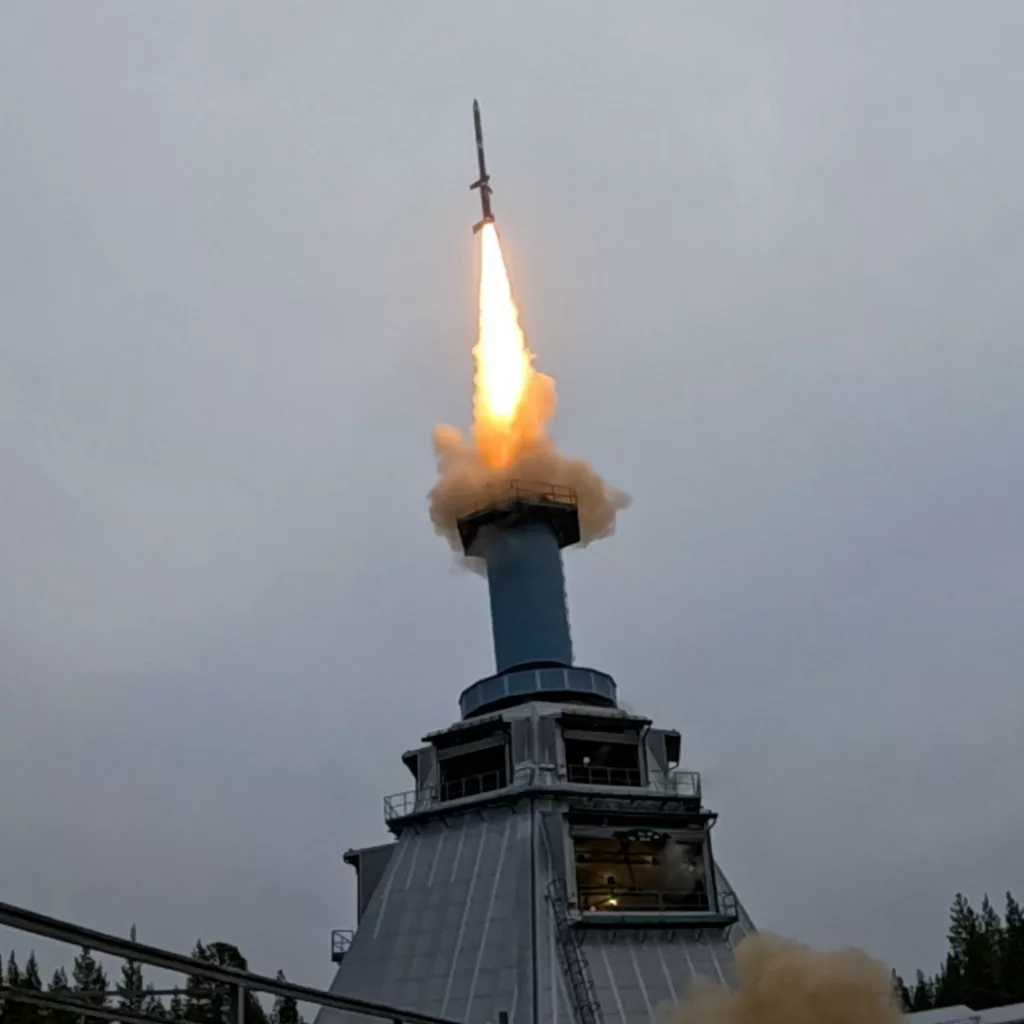
On October 1, DLR’s MAPHEUS®-17 sounding rocket successfully launched from Esrange Space Center in northern Sweden, carrying research and technology experiments to an altitude of 291 kilometers before safely returning to Earth.
The mission is part of the German Aerospace Center (DLR) MAPHEUS® program, which provides researchers, companies, and students with regular access to high-quality microgravity conditions. During the flight, the payload experienced approximately seven minutes of microgravity, creating a unique environment for testing new technologies and conducting scientific research.
SSC Space Shared Module onboard
Onboard the rocket was SSC Space’s Shared Module, a payload platform that allows multiple experiments to fly together while sharing common infrastructure, reducing complexity and lowering costs for participating teams.
“We are delighted with today’s successful launch, highlighting the long-standing collaboration between DLR as mission owner of MAPHEUS®-17 and SSC Space as launch partner at Esrange. We are also pleased to see our Shared Module being part of the mission payload, including important cancer research from Australia,” says Stefan Krämer, Project Manager of the Shared Module program at SSC Space.
By making access to microgravity more affordable and efficient, the Shared Module helps researchers and technology developers move from concepts and laboratory testing to spaceflight validation much faster.
The mission also highlights how sounding rockets continue to play a vital role in Europe’s space ecosystem. Beyond fundamental research, MAPHEUS® serves as a testbed for technologies destined for satellites, future spacecraft, and orbital research platforms, while also giving students and young innovators a chance to fly experiments in space.
Here are some examples of the other experiments onboard the MAPHEUS®-17 payload:
- ARTEC studied how metallic alloys solidify in microgravity.
- VESICOLOS tested a miniaturized microscope for biological and medical research in space.
- TEGonaut evaluated thermoelectric power generation for future space applications.
- Student-built experiments investigated fluid behavior and sensor technologies in weightlessness.
- Additional technology demonstrations included next-generation flight computers, GPS signal processing, and high-speed data transmission systems.
In the SSC Space Shared Module:
- Aurore IV, Experiments from Swedish astronomical youth association
- SMAUG – studies the solidification of alloys under microgravity conditions
- GEN 2 – Biologic research on insects in microgravity
- HAEMBIOSPACE – Center for Cancer biology, Cambrian and Adelaide University conducts cancer research in microgravity to study mechanisms not observable on Earth.
Read more about the mission and the experiments here: DLR Press release (German)